Exactly how to Prepare Your Electrics for a Warm Pump
To prepare your electrics for a heat pump, begin by examining your present electrical wiring and circuit capability. Compute your home's total power demand and check that the electric panel satisfies local codes. Upgrade circuits and breakers as required to suit the heatpump tons, ensuring proper lots balancing. Arrange an assessment with a qualified electrical expert to validate compatibility and security. Including energy-efficient attributes can further optimize your system. Discover more regarding maximizing your warmth pump's effectiveness.
Takeaways
- Examine your electrical panel's capacity to guarantee it meets neighborhood codes and can deal with the warmth pump's lots needs.
- Confirm existing electrical wiring and circuit ability, ensuring they can sustain the raised demand of the heat pump.
- Install dedicated breaker rated for the heat pump to stop overload and make sure safety during procedure.
- Apply rise defense and ground fault security to guard the heatpump from voltage spikes and electrical shocks.
- Set up an assessment with a qualified electrician to verify system compatibility and compliance prior to installment.
Examine Your Electric System for Warm Pump Compatibility
Prior to installing a heat pump, you have to review your electric system for compatibility, as a poor setup can result in efficiency issues or security threats. Beginning by reviewing your existing wiring and circuit ability. Figure out if your system electrician welling sustains home automation includes, which can improve performance and control. Inspect for proper lots harmonizing to ensure that the warm pump will not overload your circuits. A balanced load minimizes the danger of stumbled breakers and overheating. In addition, confirm that your electrical panel can suit the new tools's need without jeopardizing other appliances. If you recognize any deficiencies, consider upgrading your electrical system prior to continuing with the setup to guarantee peak efficiency and safety.
Determine Power Demands for Your Heatpump
To ensure your heat pump operates successfully, you need to evaluate your electric capacity initially. Next off, calculate the power consumption based on the device's requirements, and ultimately, review the circuit needs to suit the lots. This comprehensive approach will aid you avoid possible electric problems down the line.
Analyze Electrical Capacity
As you prepare your home for a heatpump setup, assessing the electric capability is important for ensuring peak performance and safety and security. Start by appraising your present service lots, which includes determining the overall power demand of your home's electric appliances. This will aid you determine if your existing system can sustain the added tons from the warm pump. Next, examine the wellness of your meter; a malfunctioning meter can bring about incorrect analyses and potential overload situations. Make sure that your electrical panel is properly ranked and certified with local codes. By very carefully assessing these aspects, you'll guard versus any electric problems that can occur during the installment and operation of your warm pump.
Determine Power Consumption
Computing power intake for your heatpump is essential to assure it runs efficiently within your home's electric system. To identify your warmth pump's power requirements, take into consideration the list below variables:
- Seasonal Usage: Evaluate your home heating and cooling requirements throughout the year. This aids recognize height usage durations and ensures the warmth pump fulfills need efficiently.
- Power Ratings: Evaluation the manufacturer's requirements for power level and power demands. This will offer a baseline for your computations.
- Toll Optimization: Explore your electrical energy tariff framework. Comprehending off-peak prices can aid you arrange your warm pump's procedure during less expensive durations, optimizing power financial savings.
Assess Circuit Needs
After evaluating your heat pump's power consumption, it is essential to assess the circuit needs that will support its procedure. Begin by establishing the total amperage required, ensuring your existing circuits can handle this lots. Lots balancing is vital; distribute the electric demand uniformly throughout stages to stop straining any single circuit. If your warm pump operates a three-phase system, stage synchronization comes to be important for peak performance. Examine the compatibility of your breaker panel and electrical wiring to fit the heat pump's demands. You might require to update your electric service or install devoted circuits. Appropriate evaluation warranties safety, effectiveness, and durability of your warm pump, protecting against potential electrical issues down the line.
Update Electrical Components as Needed
To ensure your heatpump runs successfully, you'll require to examine your existing electrical wiring capacity and figure out if it can handle the brand-new load. Setting up dedicated breaker might be needed to stop overloads, and updating your electric panel can be important for peak performance. Attending to these components proactively will improve safety and security and dependability in your system.
Analyze Current Circuitry Capability
Before installing a warm pump, it's important to evaluate your current wiring capability, as inadequate electric infrastructure can lead to inefficiencies or also system failings. Beginning by carrying out based examinations to confirm security and conformity. Right here are key steps to follow:
- Check the amperage: Confirm that your existing wiring can deal with the warmth pump's electric lots.
- Examine panel labeling: Verify your electric panel is appropriately identified, enabling simpler identification of circuits and capability.
- Evaluate wire scale: Evaluate whether the wire scale fulfills required criteria for the boosted need of a heatpump.
Install Dedicated Circuit Breakers
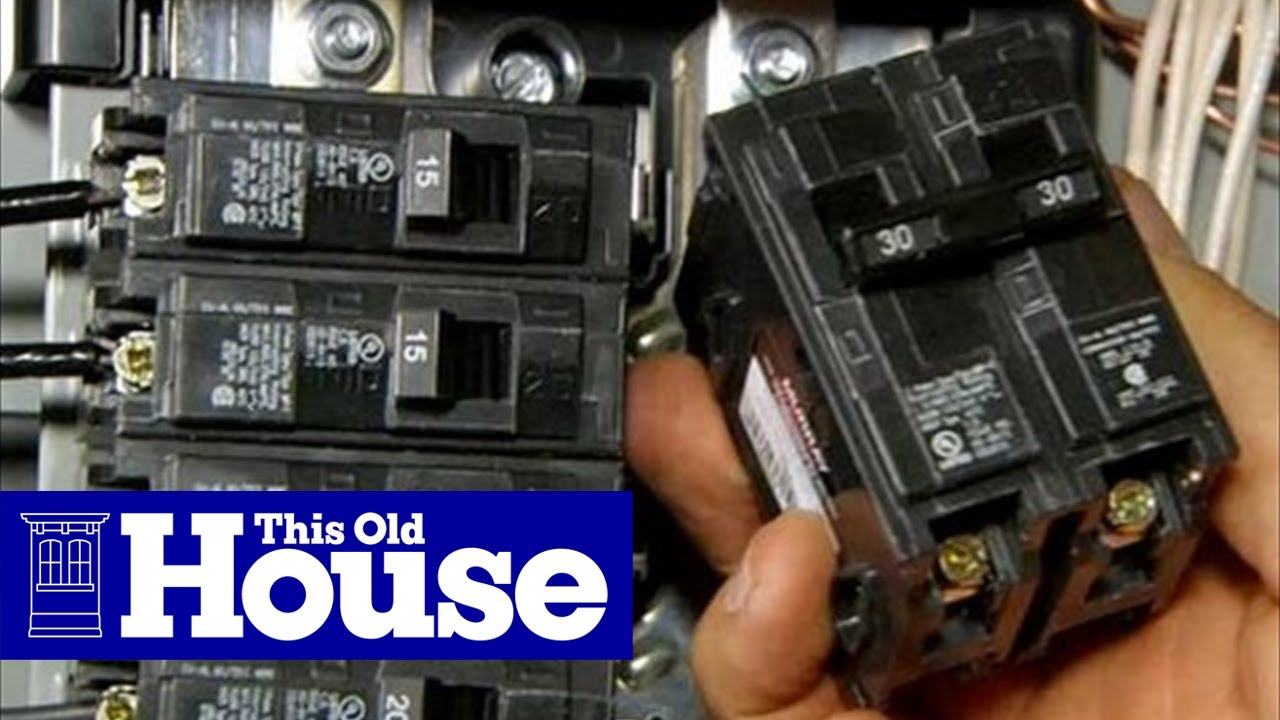
Mounting specialized breaker is essential for accommodating the electrical needs of your new heatpump. These breakers make sure that your heatpump runs efficiently without straining your existing system. They offer ground mistake protection, which is essential for protecting against electrical shocks and potential tools damages. When choosing breakers, take into consideration those with built-in rise reductions features, as they aid secure your heatpump from voltage spikes triggered by power rises. This not only enhances the durability of your system yet likewise preserves its performance. Make sure that the breakers are appropriately ranked for the warm pump's specs to avoid tripping and to guarantee reputable procedure. Correctly installed specialized breaker are an essential action in your heatpump preparation.

Upgrade Electric Panels
Updating electrical panels is vital for guaranteeing your heatpump operates safely and efficiently. An obsolete panel can result in performance concerns and security dangers. Below are essential factors to consider for your upgrade:
- Capacity Analysis: Warranty the panel can handle the raised lots from your heatpump. Not enough capacity can cause circuit overloads.
- Panel Aesthetic appeals: Pick a panel style that complements your home's interior while satisfying code demands.
- Meter Relocation: If needed, transfer your meter to fit the brand-new panel's placement, assuring simple accessibility for maintenance and examinations.
Install Appropriate Circuits and Breakers
When setting up a warmth pump, making sure that you have the correct circuits and breakers is necessary for peak performance and safety. Beginning by setting up dedicated circuits made to handle the certain lots of your warmth pump. This stops overwhelming existing circuits, which can cause failings. Integrate ground mistake circuit interrupters (GFCIs) to safeguard against electrical shocks, particularly in damp locations. In addition, carrying out surge protection is vital; heatpump can be conscious voltage spikes, so a rise guard will certainly safeguard the device from potential damage. Make sure the breakers are ranked appropriately for the heatpump's requirements to guarantee reputable procedure. Correct installation of circuits and breakers will certainly boost safety and security and performance in your furnace.
Set up an Inspection With a Competent Electrician
Scheduling an examination with a certified electrician is critical to assure your warm pump runs safely and effectively. It's necessary to resolve essential factors throughout your examination to prevent future complications. Here's a quick list:
- Organizing Window: Coordinate a time that decreases interruption; this assures the electrician has sufficient time to evaluate your system.
- Electrical System Evaluation: The electrical expert ought to review your present arrangement, examining for compatibility with the warmth pump's demands.
- Documentation Checklist: Prepare all needed documentation, including previous assessments and setup documents, to improve the process.
Incorporate Energy Effectiveness Qualities and Smart Controls
Integrating power efficiency features and clever controls into your heatpump system can considerably enhance its performance and minimize functional costs. Beginning by setting up clever thermostats, which readjust temperature level settings based on your preferences and power usage patterns. This guarantees peak heating while reducing unnecessary energy consumption. Furthermore, incorporating occupancy sensors can further maximize efficiency by detecting when areas are inhabited and changing the warmth outcome accordingly. These technologies not only enhance comfort yet also extend the life expectancy of your heatpump by lowering deterioration. By leveraging these advancements, you'll achieve an extra receptive and reliable heating system, ultimately bring about considerable savings on energy bills and a decreased ecological effect.
Frequently Asked Questions
For how long Does It Require To Install a Warm Pump?
Installing a warmth pump commonly takes about one to 3 days, relying on the complexity of your home's system. Curiously, research studies reveal that almost 70% of homeowners experience marginal downtime throughout this procedure. This setup timeline can differ based upon elements like existing ductwork and electric configurations, however effective planning can help in reducing disruptions. Being prepared can assure you're back to normal rapidly, decreasing any kind of troubles throughout the shift.
What Maintenance Is Required for a Warmth Pump System?
To maintain your heatpump system, you need to concentrate on routine filter replacement and refrigerant checks. It's important to replace the filters every one to three months to assure peak air flow and effectiveness. Additionally, schedule annual refrigerant checks to prevent leaks and guarantee the system operates within the appropriate stress range. Maintaining up with these maintenance jobs will help prolong the life expectancy of your warmth pump and maintain its efficiency.
Can I Set Up a Warmth Pump Myself?
Setting up a warmth pump yourself can be like trying to construct a house of cards-- one incorrect relocation, and all of it comes collapsing down. While DIY jobs can be satisfying, the risks involved are considerable. Incorrect installment can cause effectiveness issues or perhaps damages, leading to service warranty problems. It's typically best to speak with a professional that can guarantee compliance with local codes and supply reassurance for your investment.
What Type of Warmth Pump Is Ideal for My Home?
The very best sort of heatpump for your home relies on your particular needs. If you're trying to find versatility and performance, ductless choices are perfect, specifically for homes without existing ductwork. On the other hand, geothermal considerations could be ideal if you have sufficient land and desire a long-term, energy-efficient option. Review your home's layout, environment, and spending plan to establish which system straightens best with professional electrician welling your demands and energy goals.
Exist Tax Obligation Credit Reports for Mounting a Heatpump?
Yes, there are tax obligation credits offered for mounting a heatpump. To qualify, you'll require to fulfill specific eligibility requirements, which typically consist of income limitations. In addition, some utility firms offer discounts that can enhance these tax obligation credit reports, better decreasing your total expenses. It's important to check both government and state programs to maximize your benefits and see to it you fulfill all requirements prior to waging the installment.
